Global Law Experts
Lawyers
Countries Covered
Practice Areas
Discover top Public-Private Partnerships lawyers worldwide on the Global Law Experts directory. Independent legal experts recognized for their expertise.
No results available Reset filters?
Public-Private Partnerships (PPP) involve long-term agreements between government entities and private sector companies to deliver public infrastructure or services. This practice involves structuring complex project finance models, managing risk allocation, and drafting detailed concession agreements. Attorneys ensure that projects like highways, hospitals, and energy grids are commercially viable while meeting strict public policy objectives and procurement regulations.
Global Law Experts connects you with premier PPP specialists who possess deep knowledge of infrastructure scaling and government relations. These lawyers are established experts within their own fields, capable of navigating the intricate balance between public interest and private profit. Whether you are a government agency seeking private investment or a developer bidding on a large-scale project, they provide the strategic advocacy needed for a successful delivery.
Every GLE member is independently vetted by practice area and jurisdiction.
A PPP is a long-term contract where a private company funds, builds, and operates a public asset while the government retains ultimate ownership. This differs from privatization, where the state sells the asset forever. In a PPP, the private sector is essentially a tenant with a long lease, whereas privatization transfers the deed entirely. The key legal distinction is that in a PPP, the asset must return to the public sector at the end of the contract, typically after 25 to 30 years.

The golden rule of PPP law is to assign risk to the party best able to manage it. The private sector usually takes on commercial risks like construction delays and cost overruns because they control the workforce. The government retains political risks like changes in law or delays in granting permits. If risk is not transferred correctly, the project fails the Value for Money test. In the UK, the Treasury’s guidance strictly dictates this split to ensure taxpayers aren’t liable if the private builder goes over budget.
An SPV is a separate legal shell company created solely to deliver that specific project. It isolates financial risk, meaning if the project goes bankrupt, the lenders cannot seize the assets of the parent construction companies or investors. This legal ring-fencing is essential for securing non-recourse financing, where banks lend money based only on the project’s future cash flow. Without an SPV, a single failed infrastructure project could drag a multinational corporation into insolvency, making the risk too high for most investors to bear.
You absolutely need a lawyer because submitting an idea without protection can result in the government taking your concept and bidding it out to your competitors. A lawyer helps you negotiate a “Swiss Challenge” or “Right to Match” clause, which gives you the legal right to match any superior offer a competitor makes. In many US states like Virginia, specific statutes govern unsolicited proposals, requiring strict adherence to submission protocols to ensure your intellectual property remains yours during the review process.
Step-in rights act as an emergency brake for lenders. They allow the banks to legally take control of the project if the private operator is failing or about to go bust. Instead of foreclosing and killing the project, the lenders step into the shoes of the SPV to hire a new operator and keep the service running. This is critical for essential public assets like hospitals or schools, as the government cannot afford for the facility to simply shut down due to a contractor’s financial mismanagement.
Negotiating the concession period is a math problem masquerading as a legal clause. A lawyer works with financial modelers to calculate exactly how many years it will take for the investors to recoup their capital and earn a profit. If the period is too short, the tolls or user fees must be astronomically high. If it is too long, the government is accused of a bad deal. Most contracts land between 25 and 50 years to balance affordable user fees with a reasonable return on investment.
This is a classic “compensation event.” PPP contracts contain specific “Change in Law” clauses that require the government to pay the private partner if new legislation makes the project more expensive to run. For example, if the government passes a new safety law requiring expensive upgrades to a tunnel, the government generally pays the bill. This protects investors from discriminatory changes where the state effectively changes the rules of the game halfway through the match to hurt the project’s profitability.
Value for Money is a legal and economic test used to prove that using a private partner is actually cheaper or better than the government doing it themselves. Lawyers and economists build a “Public Sector Comparator” model to estimate what the project would cost if the state built it. If the private sector bid is lower than this benchmark, the project passes. In the UK, this assessment is mandatory, ensuring that the extra cost of private financing is offset by the efficiency gains of private construction management.
A PPP is a long-term contract where a private company funds, builds, and operates a public asset while the government retains ultimate ownership. This differs from privatization, where the state sells the asset forever. In a PPP, the private sector is essentially a tenant with a long lease, whereas privatization transfers the deed entirely. The key legal distinction is that in a PPP, the asset must return to the public sector at the end of the contract, typically after 25 to 30 years.

The golden rule of PPP law is to assign risk to the party best able to manage it. The private sector usually takes on commercial risks like construction delays and cost overruns because they control the workforce. The government retains political risks like changes in law or delays in granting permits. If risk is not transferred correctly, the project fails the Value for Money test. In the UK, the Treasury’s guidance strictly dictates this split to ensure taxpayers aren't liable if the private builder goes over budget.
An SPV is a separate legal shell company created solely to deliver that specific project. It isolates financial risk, meaning if the project goes bankrupt, the lenders cannot seize the assets of the parent construction companies or investors. This legal ring-fencing is essential for securing non-recourse financing, where banks lend money based only on the project's future cash flow. Without an SPV, a single failed infrastructure project could drag a multinational corporation into insolvency, making the risk too high for most investors to bear.
You absolutely need a lawyer because submitting an idea without protection can result in the government taking your concept and bidding it out to your competitors. A lawyer helps you negotiate a "Swiss Challenge" or "Right to Match" clause, which gives you the legal right to match any superior offer a competitor makes. In many US states like Virginia, specific statutes govern unsolicited proposals, requiring strict adherence to submission protocols to ensure your intellectual property remains yours during the review process.
Step-in rights act as an emergency brake for lenders. They allow the banks to legally take control of the project if the private operator is failing or about to go bust. Instead of foreclosing and killing the project, the lenders step into the shoes of the SPV to hire a new operator and keep the service running. This is critical for essential public assets like hospitals or schools, as the government cannot afford for the facility to simply shut down due to a contractor's financial mismanagement.
Negotiating the concession period is a math problem masquerading as a legal clause. A lawyer works with financial modelers to calculate exactly how many years it will take for the investors to recoup their capital and earn a profit. If the period is too short, the tolls or user fees must be astronomically high. If it is too long, the government is accused of a bad deal. Most contracts land between 25 and 50 years to balance affordable user fees with a reasonable return on investment.
This is a classic "compensation event." PPP contracts contain specific "Change in Law" clauses that require the government to pay the private partner if new legislation makes the project more expensive to run. For example, if the government passes a new safety law requiring expensive upgrades to a tunnel, the government generally pays the bill. This protects investors from discriminatory changes where the state effectively changes the rules of the game halfway through the match to hurt the project's profitability.
Value for Money is a legal and economic test used to prove that using a private partner is actually cheaper or better than the government doing it themselves. Lawyers and economists build a "Public Sector Comparator" model to estimate what the project would cost if the state built it. If the private sector bid is lower than this benchmark, the project passes. In the UK, this assessment is mandatory, ensuring that the extra cost of private financing is offset by the efficiency gains of private construction management.
Global Law Experts is dedicated to providing exceptional legal services to clients around the world. With a vast network of highly skilled and experienced lawyers, we are committed to delivering innovative and tailored solutions to meet the diverse needs of our clients in various jurisdictions.
Thinking of buying property in Brazil? Start with a full legal safety net.
✔️ Check title and ownership history
✔️ Verify no debts or disputes
✔️ Confirm zoning and permits.
#BrazilProperty #RealEstateInvesting #LegalDueDiligence #ForeignInvestment #PropertyLaw #GlobalRealEstate #InvestmentRisk #BrazilLaw
When your international business faces financial distress, quick action is key! 🔑 Negotiating with creditors, restructuring debt, and understanding insolvency laws can help regain stability. Global Law Experts is here to guide you through your options.
🌍Explore the details on our website.
🔗Link in bio
#GlobalLawExperts #CommercialLaw #BusinessLaw #LegalAdvice #BusinessGrowth #LegalTips #BusinessStrategy #LegalCompliance #Law #LegalKnowledge #LegalAwareness #Law101 #LegalEducation #IntellectualProperty
Thinking of buying property in Brazil? Don’t stop at the contract or key handover. Make sure the title is officially registered before calling it yours.
#BrazilRealEstate #PropertyLaw #GlobalInvestment #ForeignInvestors #LegalTips #DueDiligence #RealEstateRegistration #SecureInvestment
Getting a termination notice right now? Know your rights. Valid reason, fair process, proper notice they matter. Don’t let a bad dismissal walk away without accountability.
#EmploymentLaw #WorkerRights #Termination #LaborLaw #FairDismissal #WorkplaceJustice #LegalAwareness #GlobalWorkforce
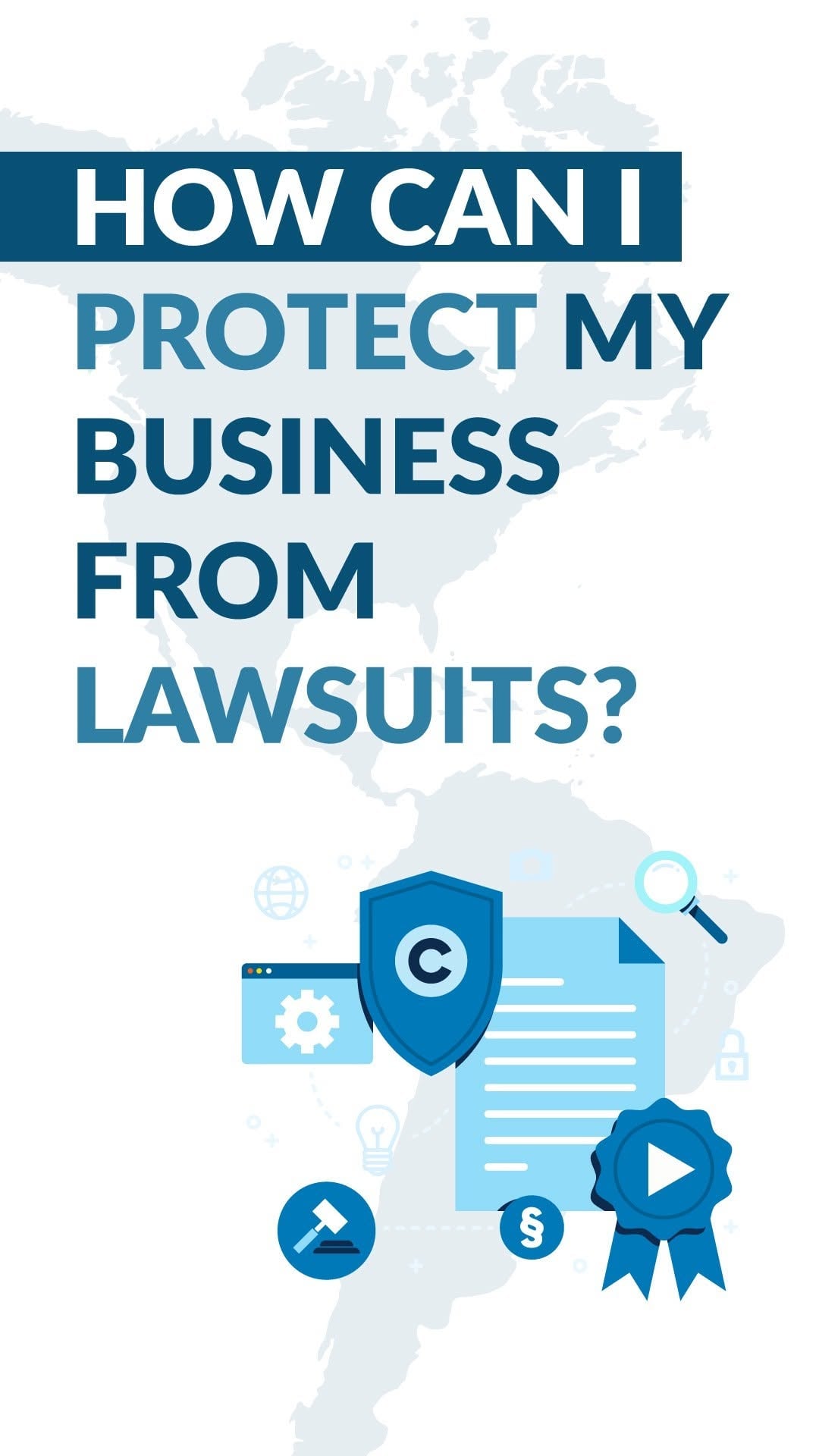
Running a business is hard enough — lawsuits shouldn’t make it harder. 🚫 Protect your business with the right legal strategies and expert tools from Global Law Experts. Let’s secure your future together! 💼
🌍Explore the details on our website.
➡️www.globallawexperts.com
#GlobalLawExperts #CommercialLaw #BusinessLaw #LegalAdvice #BusinessGrowth #LegalTips #BusinessStrategy #LegalCompliance #Law #LegalKnowledge #LegalAwareness #Law101 #LegalEducation #IntellectualProperty #Infringed #Ecommerce #LegalBranding
Global Law Experts is dedicated to providing exceptional legal services to clients around the world. With a vast network of highly skilled and experienced lawyers, we are committed to delivering innovative and tailored solutions to meet the diverse needs of our clients in various jurisdictions.
Thinking of buying property in Brazil? Start with a full legal safety net.
✔️ Check title and ownership history
✔️ Verify no debts or disputes
✔️ Confirm zoning and permits.
#BrazilProperty #RealEstateInvesting #LegalDueDiligence #ForeignInvestment #PropertyLaw #GlobalRealEstate #InvestmentRisk #BrazilLaw
When your international business faces financial distress, quick action is key! 🔑 Negotiating with creditors, restructuring debt, and understanding insolvency laws can help regain stability. Global Law Experts is here to guide you through your options.
🌍Explore the details on our website.
🔗Link in bio
#GlobalLawExperts #CommercialLaw #BusinessLaw #LegalAdvice #BusinessGrowth #LegalTips #BusinessStrategy #LegalCompliance #Law #LegalKnowledge #LegalAwareness #Law101 #LegalEducation #IntellectualProperty
Thinking of buying property in Brazil? Don’t stop at the contract or key handover. Make sure the title is officially registered before calling it yours.
#BrazilRealEstate #PropertyLaw #GlobalInvestment #ForeignInvestors #LegalTips #DueDiligence #RealEstateRegistration #SecureInvestment
Getting a termination notice right now? Know your rights. Valid reason, fair process, proper notice they matter. Don’t let a bad dismissal walk away without accountability.
#EmploymentLaw #WorkerRights #Termination #LaborLaw #FairDismissal #WorkplaceJustice #LegalAwareness #GlobalWorkforce
Running a business is hard enough — lawsuits shouldn’t make it harder. 🚫 Protect your business with the right legal strategies and expert tools from Global Law Experts. Let’s secure your future together! 💼
🌍Explore the details on our website.
➡️www.globallawexperts.com
#GlobalLawExperts #CommercialLaw #BusinessLaw #LegalAdvice #BusinessGrowth #LegalTips #BusinessStrategy #LegalCompliance #Law #LegalKnowledge #LegalAwareness #Law101 #LegalEducation #IntellectualProperty #Infringed #Ecommerce #LegalBranding
Send welcome message