[codicts-css-switcher id=”346″]

Global Law Experts Logo
Arnaud Tailfer Joins Global Law Experts as Exclusive Member for International Tax Law in France | GLE News

Matrimonial Lawyers Worldwide.

Global Law Experts

Meet Our Matrimonial Lawyers

Discover award-winning Matrimonial lawyers on Global Law Experts. Connect with independent legal experts for your matrimonial legal needs.

Legal
Matrimonial
Legal
Country
Matrimonial

No results available Reset filters?

Find Expert Matrimonial Lawyers Through Global Law Experts

Secure Family Legacies with Expert Matrimonial Counsel

Matrimonial law, often encompassing broader family law, governs the legal relationships and obligations between spouses and domestic partners. This practice area is primarily focused on the dissolution of marriages through divorce or annulment, the equitable distribution of marital assets, and the determination of spousal maintenance (alimony). Attorneys provide the sensitive yet rigorous framework necessary to navigate high-net-worth property settlements, complex business valuations within a marital estate, and the enforcement of prenuptial and postnuptial agreements.

Global Law Experts connects you with premier matrimonial specialists who prioritize discreet and strategic resolution. These lawyers are established experts within their own fields, offering the specialized insight required to handle cross-border jurisdictional disputes and the nuances of international “forum shopping.” Whether you are seeking to protect pre-marital wealth or require robust advocacy during a contested separation, they provide the strategic counsel needed to safeguard your personal interests and ensure a stable transition to the next chapter of your life.

Professional Matrimonial Help You Can Trust

We will help match you with a qualified Matrimonial law specialist who can offer reliable advice, clarify your options, and guide you through the next steps in the legal process.
Lead Enquiries Qualification

Every GLE member is independently vetted by practice area and jurisdiction.

Client Success Stories

Testimonial-by-Jonathan-Gilmour.png
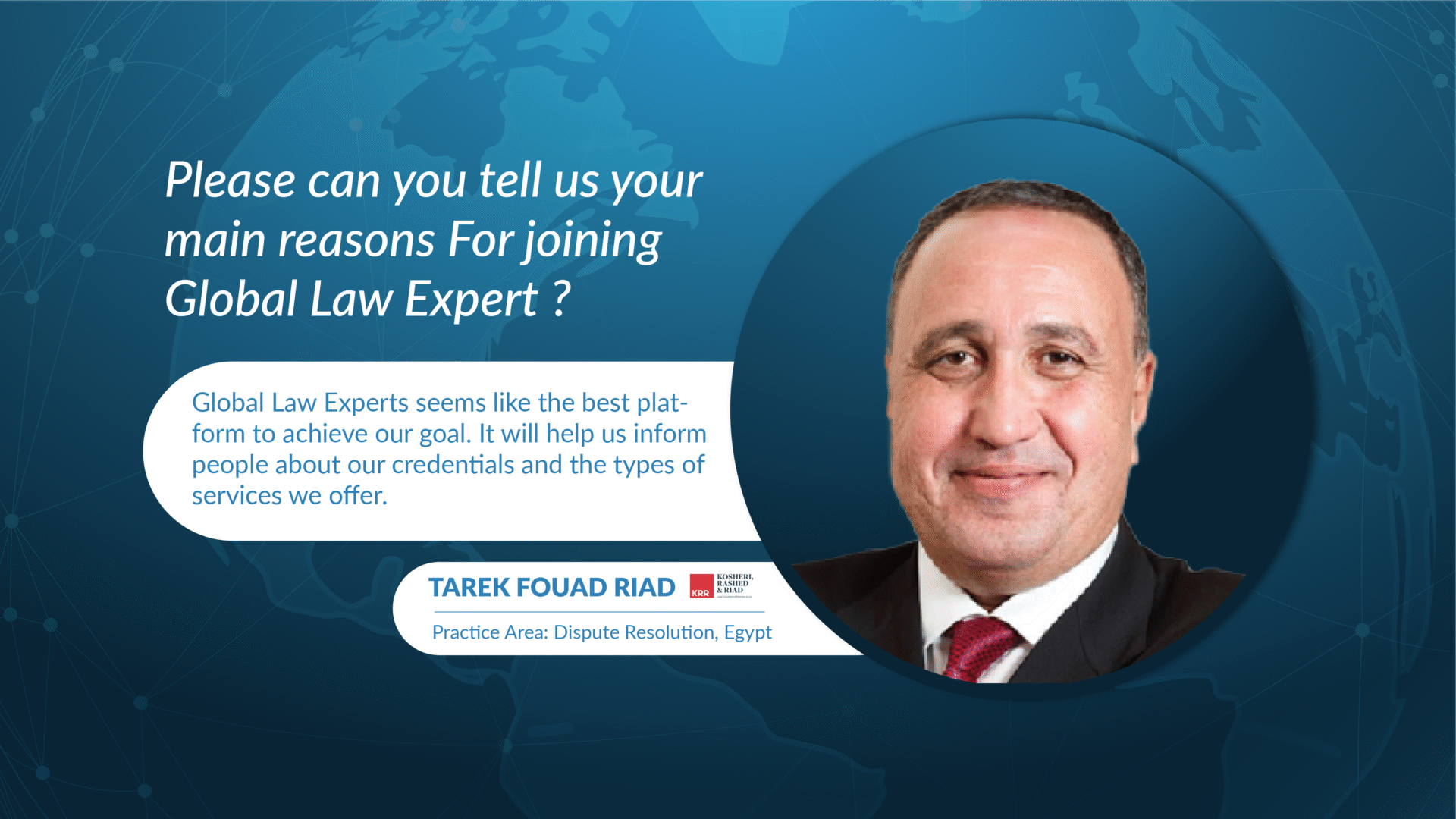
Testimonial-by-Tarek-Fouad-Riad.png
Testimonial-by-Zia-J.-Mody.png
Testimonial-by-Virginie-Tassin-Campanella.png
Testimonial-by-Marta-Dunphy-Moriel.png
Testimonial-by-Mario-Alberto-Arias-V.png
Testimonial-by-Lewis-Man.png
Testimonial-by-Kerwin-K.-Tan.png
Testimonial-by-Elena-Sadovskaya.png
Testimonial-by-Charalambos-Papasavvas.png

Matrimonial FAQ's

While the terms are often used interchangeably, a Matrimonial lawyer is a specialist who focuses almost exclusively on the termination of marriage and the financial disentanglement that follows. A general Family lawyer handles a much broader spectrum of domestic relations, including adoption, surrogacy, child protective services, and juvenile delinquency. You hire a Matrimonial lawyer specifically when you need an expert in the complex economics of divorce, such as valuing businesses or dividing real estate, rather than for general domestic disputes.


This distinction dictates who gets the house. In Community Property states (like California and Texas), all assets acquired during the marriage are deemed jointly owned and are typically split 50/50, regardless of who earned the money. In Equitable Distribution states (the majority of the US and the UK), the court divides assets based on what is “fair” rather than strictly equal, considering factors like the length of the marriage and each spouse’s future earning potential.

“No-fault” simply means you do not have to prove your spouse committed adultery or abuse to get a divorce; it does not mean the divorce is simple or uncontested. You still need a lawyer to negotiate the division of assets, custody, and support, because even if you agree to part ways amicably, the legal contract you sign will bind your finances for years. Attempting a “DIY divorce” with significant assets often leads to mistakes that cost far more to fix later than the initial legal fees.

Lawyers use the “Discovery” process to compel the production of bank statements, tax returns, and credit card bills that a spouse might otherwise keep secret. If red flags appear—like large cash withdrawals or payments to unknown entities—lawyers hire forensic accountants to trace the money trail. In high-net-worth cases, they can subpoena employers or banks directly to uncover deferred compensation or offshore accounts that were never disclosed on the sworn financial statement.

Courts generally look at the “standard of living” established during the marriage, the length of the union, and the disparity in income between the spouses. In the US, the Tax Cuts and Jobs Act of 2017 fundamentally changed the math by making alimony tax-free for the recipient and non-deductible for the payer for divorces finalized after 2018. In the UK, the focus is often on a “clean break,” meaning courts prefer lump-sum payments or short-term rehabilitative support over lifetime maintenance unless the marriage was very long.

Yes, but it is a high bar to clear. A lawyer typically attacks a prenup on three grounds: Duress (you were forced to sign it hours before the wedding), Lack of Disclosure (your spouse hid millions in assets when you signed), or Unconscionability (the terms are so grossly unfair that they shock the conscience of the court). In the UK, while prenups are not automatically binding, courts will uphold them if they are fair and both sides had independent legal advice; if your lawyer was not present when you signed, the agreement is vulnerable.

Retirement accounts cannot simply be cashed out and split without triggering massive tax penalties and early withdrawal fees. Instead, a lawyer drafts a specialized court order called a Qualified Domestic Relations Order (QDRO). This document instructs the plan administrator to segregate a portion of the employee’s retirement account into a separate account for the ex-spouse, allowing the funds to be transferred tax-free as part of the divorce settlement.

The primary difference is your marital status: in a legal separation, you live apart and divide your finances, but you remain legally married and cannot remarry. Couples often choose separation to keep a spouse on a health insurance plan (which usually ends upon divorce) or for religious reasons. However, a legal separation agreement is just as complex as a divorce decree, involving the same negotiations over custody and assets, but without the finality of dissolving the union.

Matrimonial FAQ's

While the terms are often used interchangeably, a Matrimonial lawyer is a specialist who focuses almost exclusively on the termination of marriage and the financial disentanglement that follows. A general Family lawyer handles a much broader spectrum of domestic relations, including adoption, surrogacy, child protective services, and juvenile delinquency. You hire a Matrimonial lawyer specifically when you need an expert in the complex economics of divorce, such as valuing businesses or dividing real estate, rather than for general domestic disputes.

This distinction dictates who gets the house. In Community Property states (like California and Texas), all assets acquired during the marriage are deemed jointly owned and are typically split 50/50, regardless of who earned the money. In Equitable Distribution states (the majority of the US and the UK), the court divides assets based on what is "fair" rather than strictly equal, considering factors like the length of the marriage and each spouse's future earning potential.

"No-fault" simply means you do not have to prove your spouse committed adultery or abuse to get a divorce; it does not mean the divorce is simple or uncontested. You still need a lawyer to negotiate the division of assets, custody, and support, because even if you agree to part ways amicably, the legal contract you sign will bind your finances for years. Attempting a "DIY divorce" with significant assets often leads to mistakes that cost far more to fix later than the initial legal fees.

Lawyers use the "Discovery" process to compel the production of bank statements, tax returns, and credit card bills that a spouse might otherwise keep secret. If red flags appear—like large cash withdrawals or payments to unknown entities—lawyers hire forensic accountants to trace the money trail. In high-net-worth cases, they can subpoena employers or banks directly to uncover deferred compensation or offshore accounts that were never disclosed on the sworn financial statement.

Courts generally look at the "standard of living" established during the marriage, the length of the union, and the disparity in income between the spouses. In the US, the Tax Cuts and Jobs Act of 2017 fundamentally changed the math by making alimony tax-free for the recipient and non-deductible for the payer for divorces finalized after 2018. In the UK, the focus is often on a "clean break," meaning courts prefer lump-sum payments or short-term rehabilitative support over lifetime maintenance unless the marriage was very long.

Yes, but it is a high bar to clear. A lawyer typically attacks a prenup on three grounds: Duress (you were forced to sign it hours before the wedding), Lack of Disclosure (your spouse hid millions in assets when you signed), or Unconscionability (the terms are so grossly unfair that they shock the conscience of the court). In the UK, while prenups are not automatically binding, courts will uphold them if they are fair and both sides had independent legal advice; if your lawyer was not present when you signed, the agreement is vulnerable.

Retirement accounts cannot simply be cashed out and split without triggering massive tax penalties and early withdrawal fees. Instead, a lawyer drafts a specialized court order called a Qualified Domestic Relations Order (QDRO). This document instructs the plan administrator to segregate a portion of the employee's retirement account into a separate account for the ex-spouse, allowing the funds to be transferred tax-free as part of the divorce settlement.

The primary difference is your marital status: in a legal separation, you live apart and divide your finances, but you remain legally married and cannot remarry. Couples often choose separation to keep a spouse on a health insurance plan (which usually ends upon divorce) or for religious reasons. However, a legal separation agreement is just as complex as a divorce decree, involving the same negotiations over custody and assets, but without the finality of dissolving the union.

Join
who are already getting the benefits
0
Sign up for the latest legal briefings and news within Global Law Experts’ community, as well as a whole host of features, editorial and conference updates direct to your email inbox. Naturally you can unsubscribe at any time.
Newsletter Sign Up
About Us

Global Law Experts is dedicated to providing exceptional legal services to clients around the world. With a vast network of highly skilled and experienced lawyers, we are committed to delivering innovative and tailored solutions to meet the diverse needs of our clients in various jurisdictions.

Global Law Experts App

Now Available on the App & Google Play Stores.

Social Posts
[wp_social_ninja id="50714" platform="instagram"]

See More:

Contact Us

Stay Informed

Join Mailing List
About Us

Global Law Experts is dedicated to providing exceptional legal services to clients around the world. With a vast network of highly skilled and experienced lawyers, we are committed to delivering innovative and tailored solutions to meet the diverse needs of our clients in various jurisdictions.

Social Posts
[wp_social_ninja id="50714" platform="instagram"]

See More:

Global Law Experts App

Now Available on the App & Google Play Stores.

Contact Us

Stay Informed

Join Mailing List

GLE

Testimonial by Charalambos Papasavvas

Send welcome message

Custom Message