[codicts-css-switcher id=”346″]

Global Law Experts Logo
Arnaud Tailfer Joins Global Law Experts as Exclusive Member for International Tax Law in France | GLE News

AI and Tech Startup Lawyers Worldwide.

Global Law Experts

Meet Our AI and Tech Startup Lawyers

Discover independent AI and Tech Startup legal experts in our international directory. Explore award-winning lawyers for your legal needs.

Legal
AI and Tech Startup
Legal
Country
AI and Tech Startup

No results available Reset filters?

AI and Tech Startup News

Find Expert AI and Tech Startup Lawyers Through Global Law Experts

Launch and Scale with Expert AI & Tech Startup Legal Counsel

AI and tech startups operate in fast-moving, highly regulated markets that demand smart legal strategies from day one. Whether you’re forming your company, raising capital, protecting IP, or navigating complex tech regulations, having the right legal partner can make all the difference.

Global Law Experts connects you with experienced AI and tech startup lawyers who provide strategic, tailored counsel at every stage of growth. Our vetted specialists help with entity formation, funding rounds, intellectual property protection, data privacy, regulatory compliance, and commercial agreements—empowering your startup to innovate, scale, and succeed.

Professional AI and Tech Startup Help You Can Trust

We will help match you with a qualified AI and Tech Startup law specialist who can offer reliable advice, clarify your options, and guide you through the next steps in the legal process.
Lead Enquiries Qualification

Every GLE member is independently vetted by practice area and jurisdiction.

Client Success Stories

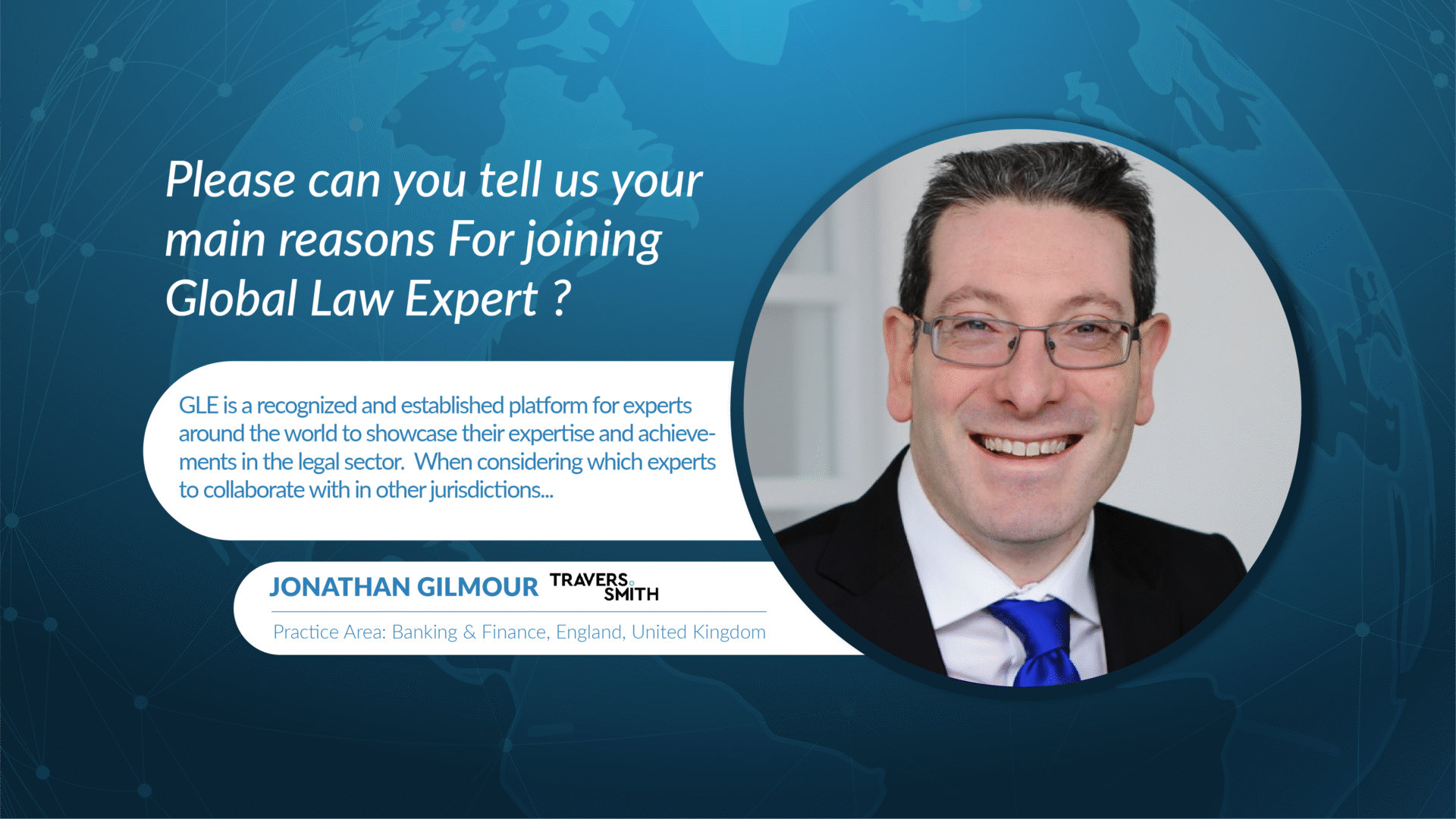
Testimonial-by-Jonathan-Gilmour.png
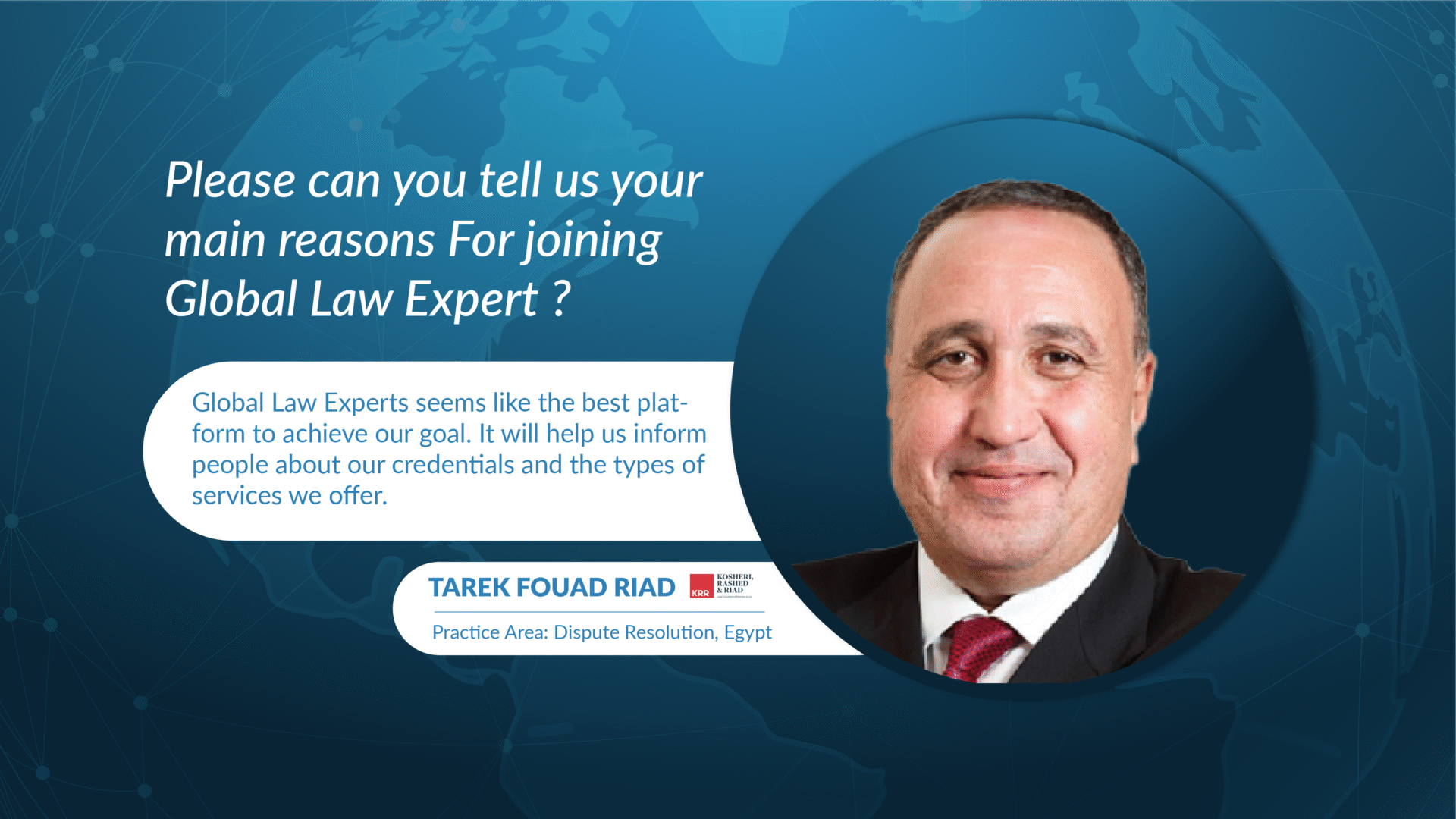
Testimonial-by-Tarek-Fouad-Riad.png
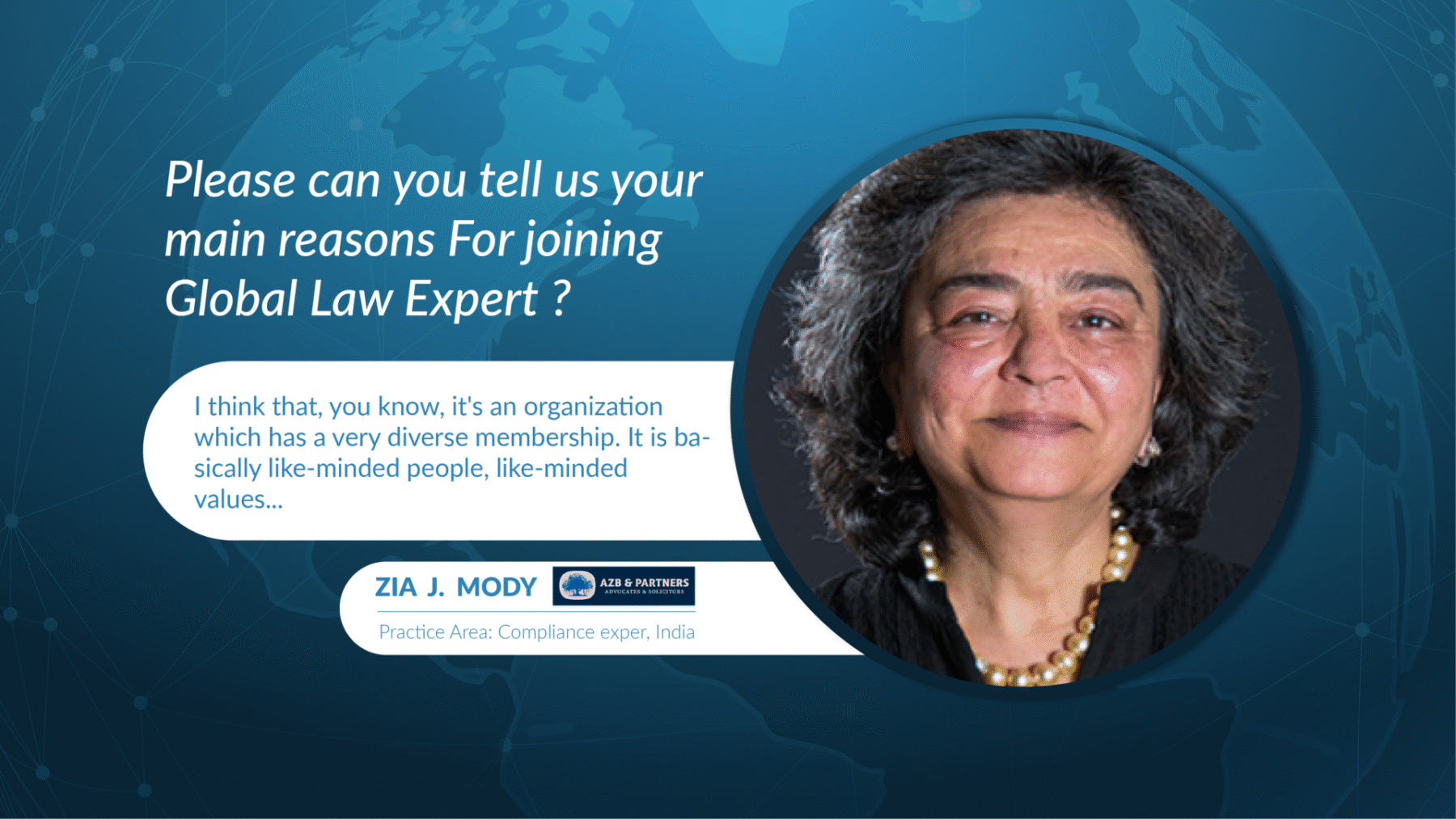
Testimonial-by-Zia-J.-Mody.png
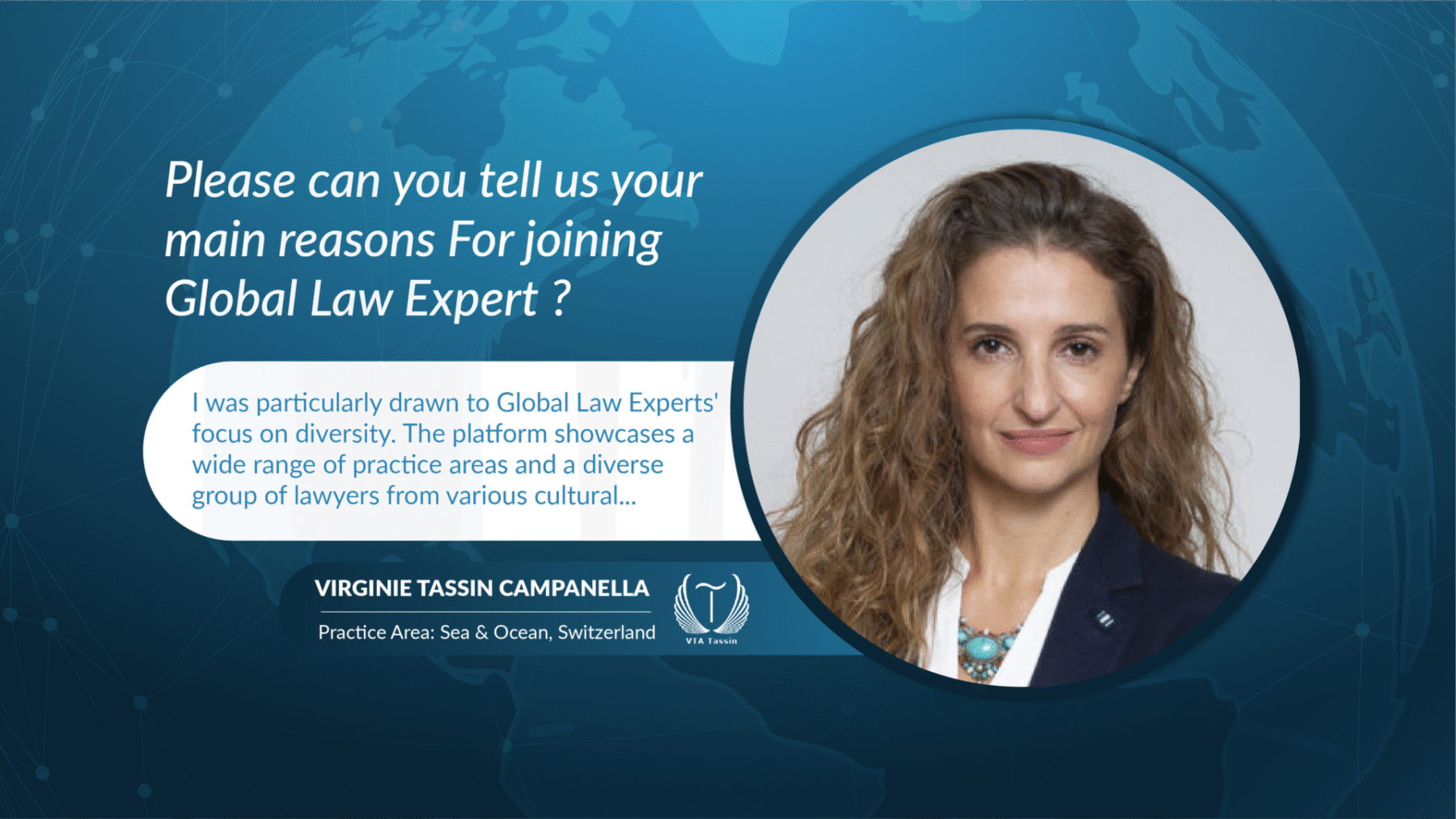
Testimonial-by-Virginie-Tassin-Campanella.png
Testimonial-by-Marta-Dunphy-Moriel.png
Testimonial-by-Mario-Alberto-Arias-V.png
Testimonial-by-Lewis-Man.png
Testimonial-by-Kerwin-K.-Tan.png
Testimonial-by-Elena-Sadovskaya.png
Testimonial-by-Charalambos-Papasavvas.png

AI and Tech Startup FAQ's

An AI & Tech Startup lawyer acts as a specialized “general counsel” for high-growth companies, handling the unique mix of intellectual property, corporate structuring, and regulatory hurdles that standard businesses rarely face. Their core services include setting up the company to be “investor-ready” (like incorporating in Delaware), protecting proprietary code through IP assignments, and drafting commercial contracts that limit liability when things go wrong. Crucially, they also navigate the emerging minefield of AI regulations to ensure your product doesn’t get banned before it even launches.


A lawyer typically advises using a “hybrid” strategy because copyright protects the written code but not the idea behind it. They often recommend protecting the core algorithm as a “Trade Secret” (keeping it strictly confidential with NDAs and security protocols) rather than filing a patent, which requires you to publish how your invention works for the world to see. This strategy prevents competitors from reverse-engineering your “secret sauce” while avoiding the years-long wait and high cost of the patent office.

Yes, compliance with the EU AI Act is critical because it applies to anyone selling into the European market, not just European companies. A lawyer determines which “risk category” your AI falls into; for example, if your tool is used for hiring or credit scoring, it is considered “High Risk” and requires strict transparency, human oversight, and data governance logs. Failing to comply can result in fines of up to €35 million or 7% of global turnover, making legal guidance an insurance policy against bankruptcy.

Using web-scraped data is currently one of the riskiest areas in tech law due to potential copyright infringement and terms of service violations. While some argue this is “fair use,” major lawsuits (like those against OpenAI and Stability AI) suggest that courts may penalize companies for using copyrighted content without a license to build commercial models. A lawyer helps mitigate this by vetting your training datasets and obtaining the necessary data licenses to prevent future “disgorgement” orders, where a court forces you to delete your algorithm entirely.

A lawyer structures equity to prevent “dead equity” issues where a founder leaves early but keeps a huge chunk of the company. They implement a standard “vesting schedule”—typically over four years with a one-year “cliff”—meaning if a founder or employee quits within the first 12 months, they walk away with nothing. This structure aligns everyone’s incentives and is virtually a requirement for venture capital investors who want to ensure the team is committed to the long haul.

Yes, a lawyer drafts Terms of Service (ToS) to be your primary contract with every user, specifically tailoring it to the risks of software delivery. They include critical clauses like “limitation of liability” to cap the amount you can be sued for if your server crashes and causes a client to lose money. They also define “acceptable use” policies to give you the immediate legal right to ban users who abuse your platform or try to hack your system.

The difference comes down to disclosure versus secrecy. A patent gives you a government-granted monopoly for 20 years, but in exchange, you must publicly explain exactly how your invention works, which can actually help competitors design around it. A trade secret legally protects your confidential information (like Google’s search algorithm) for as long as you can keep it secret; a lawyer often advises this route for software because code evolves too fast for the slow patent process to keep up.

A lawyer is the gatekeeper of the “Term Sheet,” the document that outlines the financial and control terms of an investment. They negotiate on your behalf to prevent investors from taking “super-voting rights” or harsh “liquidation preferences” that would guarantee the investors get paid first if the company is sold for a low price. Their job is to ensure you get the capital you need without accidentally signing away control of your own company.

AI and Tech Startup FAQ's

An AI & Tech Startup lawyer acts as a specialized "general counsel" for high-growth companies, handling the unique mix of intellectual property, corporate structuring, and regulatory hurdles that standard businesses rarely face. Their core services include setting up the company to be "investor-ready" (like incorporating in Delaware), protecting proprietary code through IP assignments, and drafting commercial contracts that limit liability when things go wrong. Crucially, they also navigate the emerging minefield of AI regulations to ensure your product doesn't get banned before it even launches.

A lawyer typically advises using a "hybrid" strategy because copyright protects the written code but not the idea behind it. They often recommend protecting the core algorithm as a "Trade Secret" (keeping it strictly confidential with NDAs and security protocols) rather than filing a patent, which requires you to publish how your invention works for the world to see. This strategy prevents competitors from reverse-engineering your "secret sauce" while avoiding the years-long wait and high cost of the patent office.

Yes, compliance with the EU AI Act is critical because it applies to anyone selling into the European market, not just European companies. A lawyer determines which "risk category" your AI falls into; for example, if your tool is used for hiring or credit scoring, it is considered "High Risk" and requires strict transparency, human oversight, and data governance logs. Failing to comply can result in fines of up to €35 million or 7% of global turnover, making legal guidance an insurance policy against bankruptcy.

Using web-scraped data is currently one of the riskiest areas in tech law due to potential copyright infringement and terms of service violations. While some argue this is "fair use," major lawsuits (like those against OpenAI and Stability AI) suggest that courts may penalize companies for using copyrighted content without a license to build commercial models. A lawyer helps mitigate this by vetting your training datasets and obtaining the necessary data licenses to prevent future "disgorgement" orders, where a court forces you to delete your algorithm entirely.

A lawyer structures equity to prevent "dead equity" issues where a founder leaves early but keeps a huge chunk of the company. They implement a standard "vesting schedule"—typically over four years with a one-year "cliff"—meaning if a founder or employee quits within the first 12 months, they walk away with nothing. This structure aligns everyone's incentives and is virtually a requirement for venture capital investors who want to ensure the team is committed to the long haul.

Yes, a lawyer drafts Terms of Service (ToS) to be your primary contract with every user, specifically tailoring it to the risks of software delivery. They include critical clauses like "limitation of liability" to cap the amount you can be sued for if your server crashes and causes a client to lose money. They also define "acceptable use" policies to give you the immediate legal right to ban users who abuse your platform or try to hack your system.

The difference comes down to disclosure versus secrecy. A patent gives you a government-granted monopoly for 20 years, but in exchange, you must publicly explain exactly how your invention works, which can actually help competitors design around it. A trade secret legally protects your confidential information (like Google's search algorithm) for as long as you can keep it secret; a lawyer often advises this route for software because code evolves too fast for the slow patent process to keep up.

A lawyer is the gatekeeper of the "Term Sheet," the document that outlines the financial and control terms of an investment. They negotiate on your behalf to prevent investors from taking "super-voting rights" or harsh "liquidation preferences" that would guarantee the investors get paid first if the company is sold for a low price. Their job is to ensure you get the capital you need without accidentally signing away control of your own company.

Join
who are already getting the benefits
0
Sign up for the latest legal briefings and news within Global Law Experts’ community, as well as a whole host of features, editorial and conference updates direct to your email inbox. Naturally you can unsubscribe at any time.
Newsletter Sign Up
About Us

Global Law Experts is dedicated to providing exceptional legal services to clients around the world. With a vast network of highly skilled and experienced lawyers, we are committed to delivering innovative and tailored solutions to meet the diverse needs of our clients in various jurisdictions.

Global Law Experts App

Now Available on the App & Google Play Stores.

Social Posts
[wp_social_ninja id="50714" platform="instagram"]

See More:

Contact Us

Stay Informed

Join Mailing List
About Us

Global Law Experts is dedicated to providing exceptional legal services to clients around the world. With a vast network of highly skilled and experienced lawyers, we are committed to delivering innovative and tailored solutions to meet the diverse needs of our clients in various jurisdictions.

Social Posts
[wp_social_ninja id="50714" platform="instagram"]

See More:

Global Law Experts App

Now Available on the App & Google Play Stores.

Contact Us

Stay Informed

Join Mailing List

GLE

What Does an Investigating Judge Do & When Do They Intervene?

Send welcome message

Custom Message